Cold chain
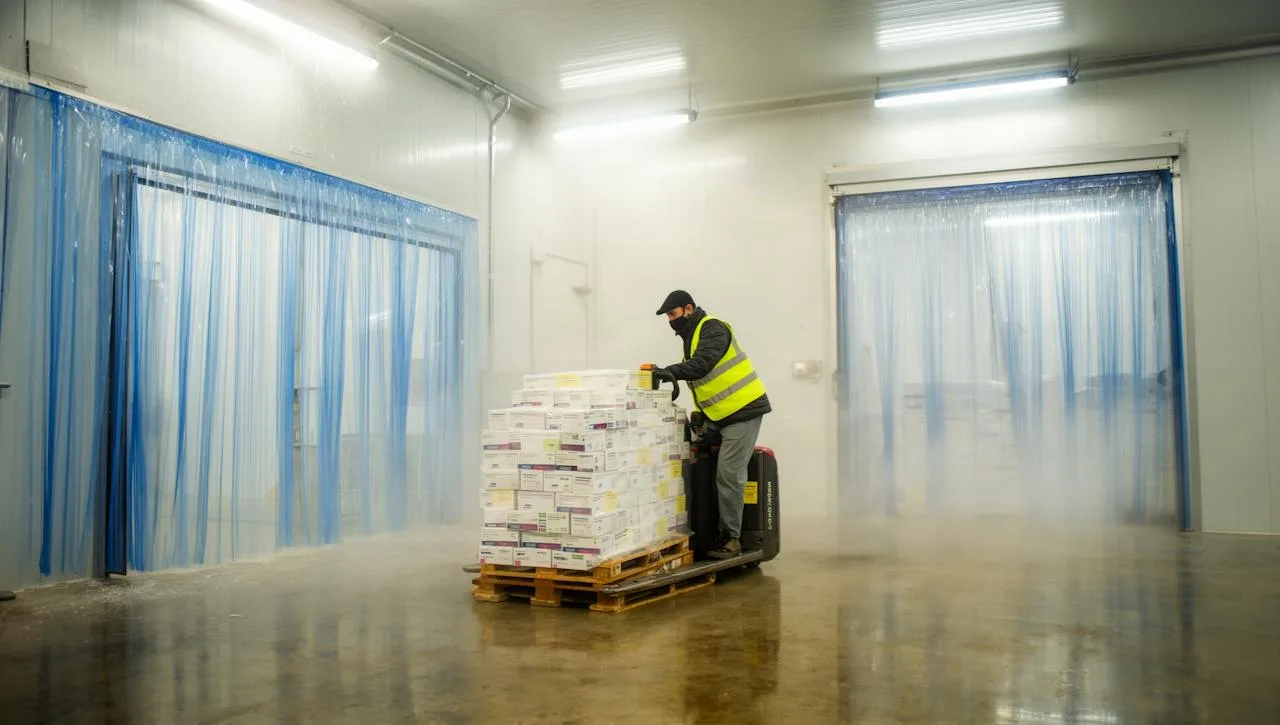
In the cold chain, a few extra minutes on a dock or a lot shipped out of order can mean lost product. We put processes and records in order so temperature and expiry dates are under control.
Signs you need it
- There is shrinkage or customer rejections due to expired or out-of-temperature product.
- Goods wait on the dock with no defined maximum time.
- Lots are not shipped in order of expiry (FEFO).
- Temperature records are on paper or are not reviewed.
- You cannot quickly trace which customers received a lot.
What you get
- Diagnosis of the cold operation
- Map of temperature critical points
- Procedures for cold receiving, storage and shipping
- FEFO rotation and lot control rules
- Lot traceability and recall procedure
- Training plan for cold-chain staff
How we work
- 01
Diagnosis
We walk the cold operation from truck arrival to shipping and review cold rooms, docks, equipment and temperature records.
- 02
Critical points
We identify where the chain breaks or is at risk: exposure times, doors, staging areas, loading and unloading.
- 03
Processes and controls
We define maximum times, expiry-based rotation, lot control, exception handling and the traceability needed back to suppliers and forward to customers.
- 04
Implementation
We support the rollout, train staff and, where applicable, configure the WMS to control lots and expiry dates.
 Cloud warehouse management system (WMS)
Frequently asked questions
Do you work with food and pharmaceutical products?
We work with chilled and frozen operations in general. The specific requirements of each regulation are reviewed with you and your quality manager.
Do you design cold rooms?
We define the layout, flows and capacity the operation needs. Refrigeration engineering is done by a specialist in that field.
How does a WMS help in the cold chain?
A WMS such as logisticaHQ records lot and expiry on every movement, suggests FEFO picking and lets you quickly trace a lot to its customers.